Data Acquisition and Sensor Integration for AI-Driven Insights
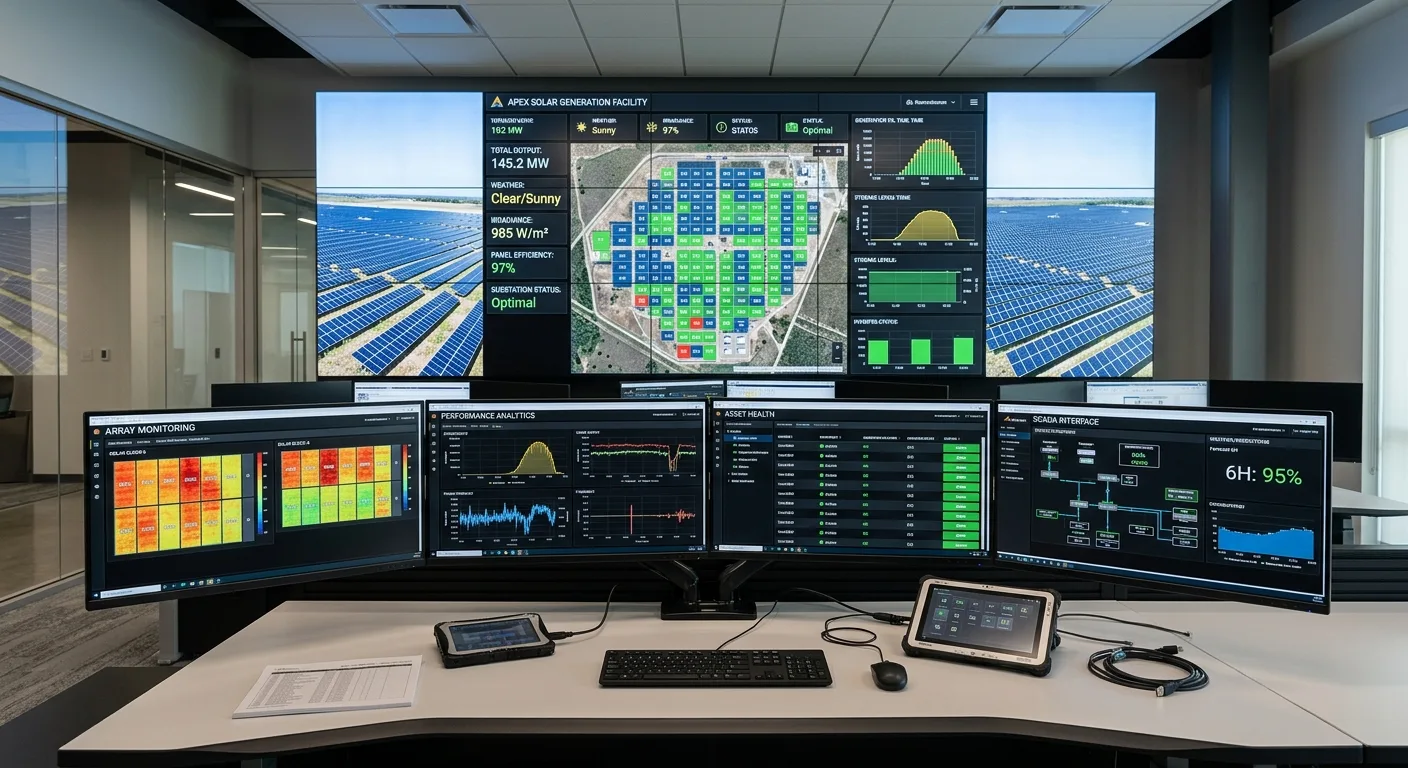
The foundation of effective AI-driven predictive maintenance lies in robust data acquisition. Modern energy assets, from hydroelectric dams to thermal power plants, are increasingly equipped with an array of sophisticated sensors that continuously collect critical operational data.
These sensors monitor various parameters such as temperature, vibration, pressure, energy output, and structural integrity. Integrating this vast stream of real-time data into centralized platforms allows for comprehensive monitoring and forms the essential input for AI algorithms.
Machine Learning Models for Anomaly Detection in Asset Performance
Once data is collected, machine learning models are deployed to analyze it for patterns indicative of potential equipment failure or performance degradation. These models are trained on historical data to learn normal operating conditions and identify deviations that signal an impending issue.
Anomaly detection algorithms can pinpoint subtle changes in asset behaviour long before they become critical problems. This proactive approach allows operators to schedule maintenance interventions precisely when needed, preventing costly unplanned outages and extending the lifespan of valuable assets.
AI and machine learning are not just tools; they are transforming how we safeguard and optimize Canada's energy future, moving us from reactive fixes to proactive precision.
Case Studies of AI Implementation in Canadian Hydro and Thermal Plants
Across Canada, AI and ML are already demonstrating significant benefits in various energy sectors. In hydroelectric facilities, AI models predict turbine wear and optimize generation schedules based on water flow and demand forecasts, leading to improved efficiency and reduced maintenance costs.
Similarly, thermal power plants utilize AI for boiler optimization and predictive fault detection in critical components, ensuring consistent energy supply and minimizing environmental impact. These applications highlight the practical success of AI in enhancing operational resilience.
Challenges and Ethical Considerations in Deploying AI for Critical Infrastructure
Despite the numerous advantages, deploying AI in critical energy infrastructure presents several challenges. Data security and privacy are paramount, requiring stringent protocols to protect sensitive operational information from cyber threats. Ethical considerations also arise concerning algorithmic bias and accountability in automated decision-making processes.
Ensuring transparency and interpretability of AI models is crucial for building trust among stakeholders and regulatory bodies. Addressing these challenges through robust governance frameworks and continuous oversight is essential for the responsible and effective integration of AI into Canada's energy landscape.