Regulatory Frameworks and Environmental Assessment
The decommissioning of energy assets in Canada is governed by a complex web of federal and provincial regulations. These frameworks mandate rigorous environmental assessments to identify and mitigate potential risks, ensuring that sites are returned to a safe and stable condition. Compliance requires detailed planning and adherence to strict guidelines.
Key aspects include assessing soil and water contamination, habitat disruption, and air quality impacts. The process often involves multi-stakeholder consultations and requires approvals from various regulatory bodies before any physical work can commence. This initial phase sets the foundation for responsible asset retirement.
Financial Liabilities and Funding Mechanisms
Asset retirement obligations (AROs) represent significant financial liabilities for energy companies. Understanding and accurately forecasting these costs is crucial for long-term financial planning. Various funding mechanisms, including trust funds, letters of credit, and insurance, are employed to ensure that sufficient capital is available for decommissioning.
However, historical underestimations and fluctuating market conditions can complicate these financial arrangements. Governments and industry are continually exploring more robust and transparent funding models to prevent orphan sites and ensure that environmental responsibilities are fully met without burdening taxpayers.
The responsible decommissioning and strategic repurposing of aging energy assets present significant environmental challenges and economic opportunities for Canada's energy transition.
Innovative Approaches to Repurposing Former Fossil Fuel Sites
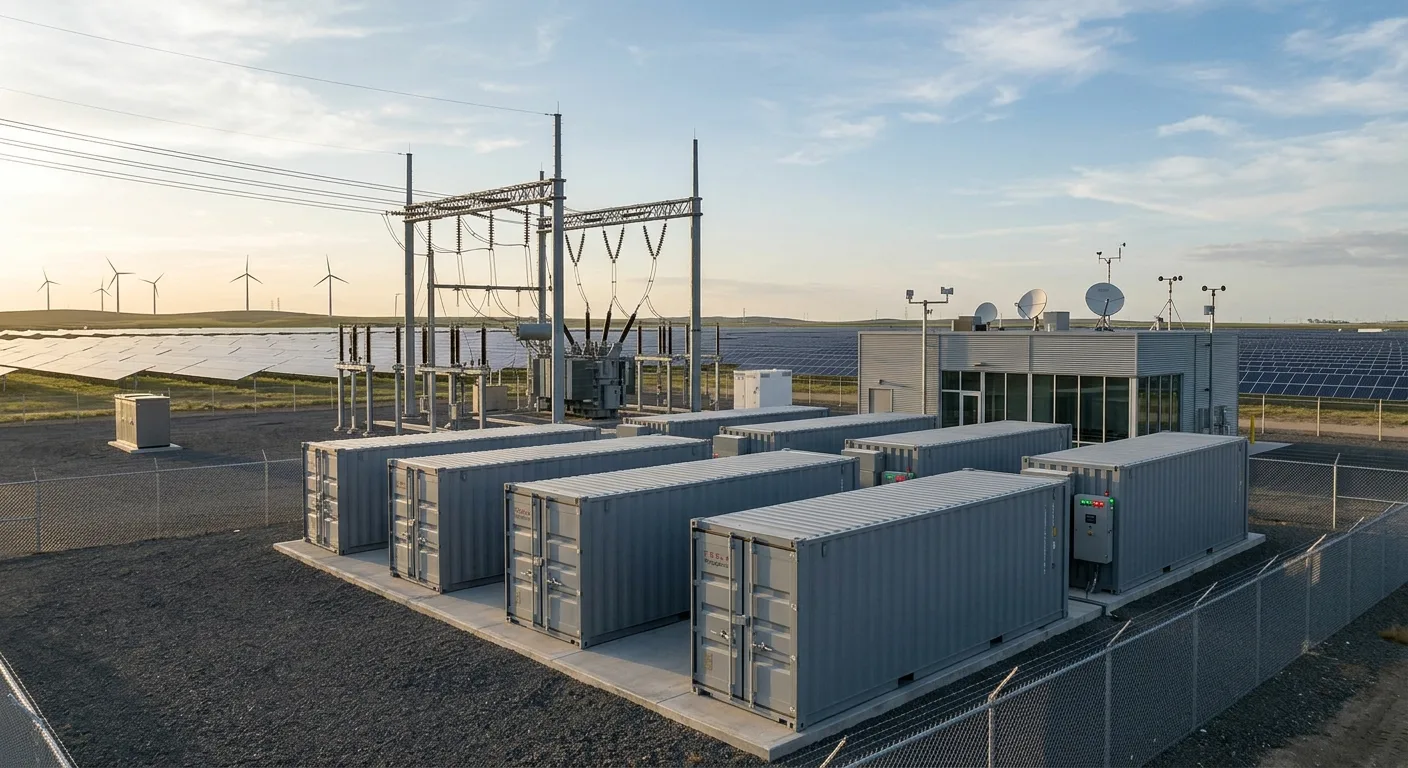
Repurposing former fossil fuel sites offers a compelling opportunity for Canada's energy transition. Brownfield sites, once cleared, can be ideal locations for renewable energy projects like solar farms or wind turbine installations due to existing infrastructure access and industrial zoning. This approach transforms liabilities into new assets.
Beyond renewable energy generation, some sites are being considered for energy storage facilities, industrial parks, or even ecological restoration projects. Creative partnerships between industry, government, and local communities are essential to unlock the full potential of these sites, fostering economic diversification and sustainable development.
Lessons Learned from Past Decommissioning Projects
Canada's oil and gas sector has a long history of decommissioning projects, providing valuable lessons for future endeavours. Early projects often faced challenges related to inadequate financial provisions and evolving environmental standards. These experiences have highlighted the importance of proactive planning and robust regulatory oversight.
Key takeaways include the need for comprehensive stakeholder engagement, the integration of advanced remediation technologies, and continuous improvement in risk management. Sharing best practices and data across the industry is vital to enhance efficiency, reduce costs, and ensure more effective environmental outcomes in future decommissioning efforts.