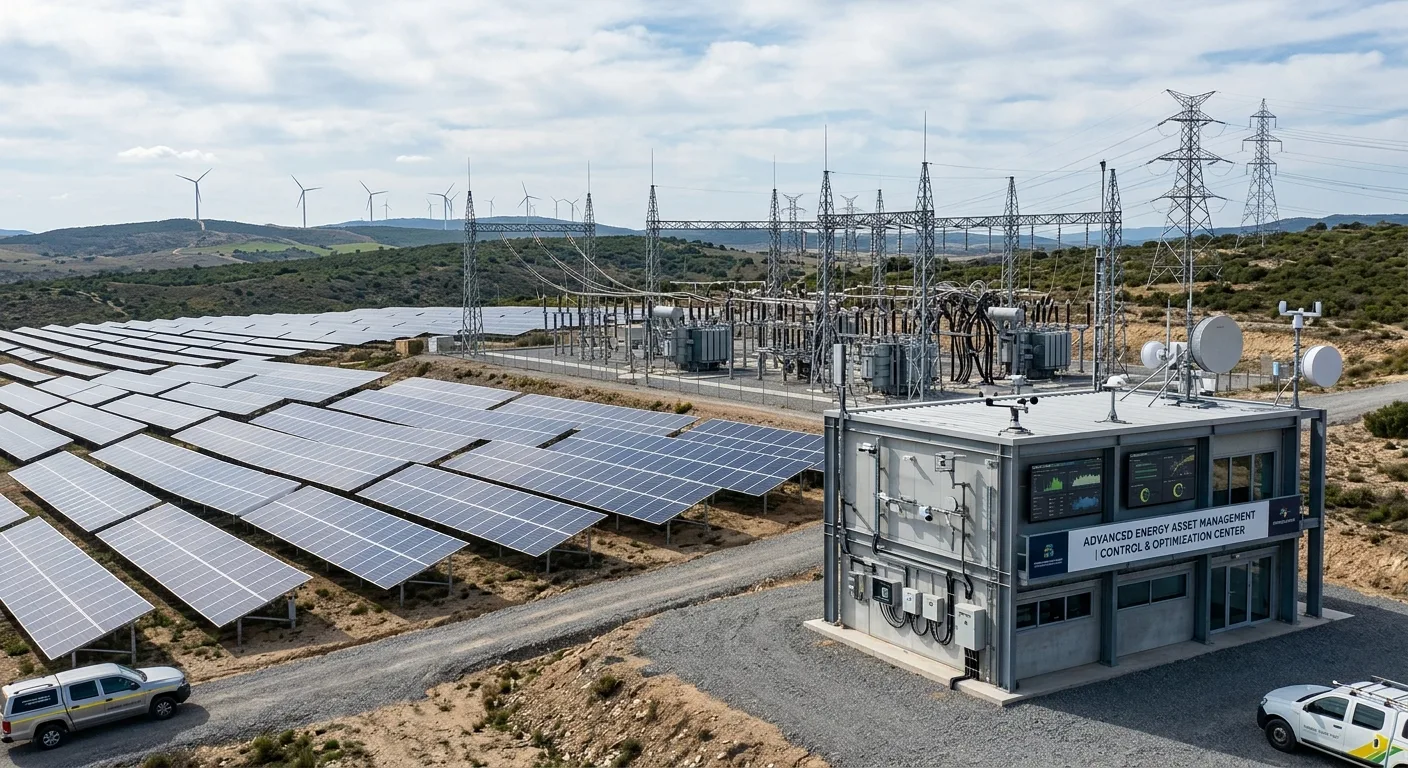
Technological Overview of Storage Systems
Battery storage systems, including lithium-ion and flow batteries, offer rapid response times and modularity, making them suitable for grid services like frequency regulation and peak shaving. Their energy density and scalability are continuously improving, though material sourcing remains a consideration.
Pumped-hydro storage, a mature technology, provides large-scale, long-duration energy storage, often leveraging existing topographical features. Hydrogen storage, while still developing, holds promise for seasonal storage and coupling with renewable hydrogen production, offering flexibility for various energy vectors.
Economic Viability and Lifecycle Costs in Canada
The economic viability of energy storage in Canada is influenced by capital costs, operational expenses, and revenue streams from grid services. Battery storage has seen significant cost reductions, making it increasingly competitive for shorter-duration applications and ancillary services.
Pumped-hydro projects, despite high initial investment, offer long asset lifetimes and low operational costs, providing cost-effective bulk energy storage. Hydrogen storage, while currently more expensive, may become economically attractive with advancements in electrolysis and fuel cell technologies, alongside carbon pricing incentives.
The future of Canada's energy grid hinges on our ability to harness and deploy diverse energy storage solutions effectively.
Regulatory Incentives and Policy Support
Canadian provinces and the federal government are implementing various policies and incentives to accelerate energy storage deployment. These include grant programs, tax credits, and regulatory frameworks that facilitate market participation for storage assets, recognizing their role in grid modernization.
Policies often aim to support renewable energy integration and reduce greenhouse gas emissions, creating a favorable environment for storage investments. Understanding the specific provincial and federal incentives is crucial for project developers in Canada.
Impact on Grid Resilience and Peak Demand Management
Energy storage significantly enhances grid resilience by providing backup power during outages and mitigating voltage fluctuations. It enables utilities to manage peak demand more effectively, reducing the need for expensive peaker plants and deferring transmission and distribution upgrades.
By strategically deploying storage, Canadian utilities can improve the reliability and stability of their electricity networks, integrate more intermittent renewable sources, and optimize the overall utilization of their existing energy assets.