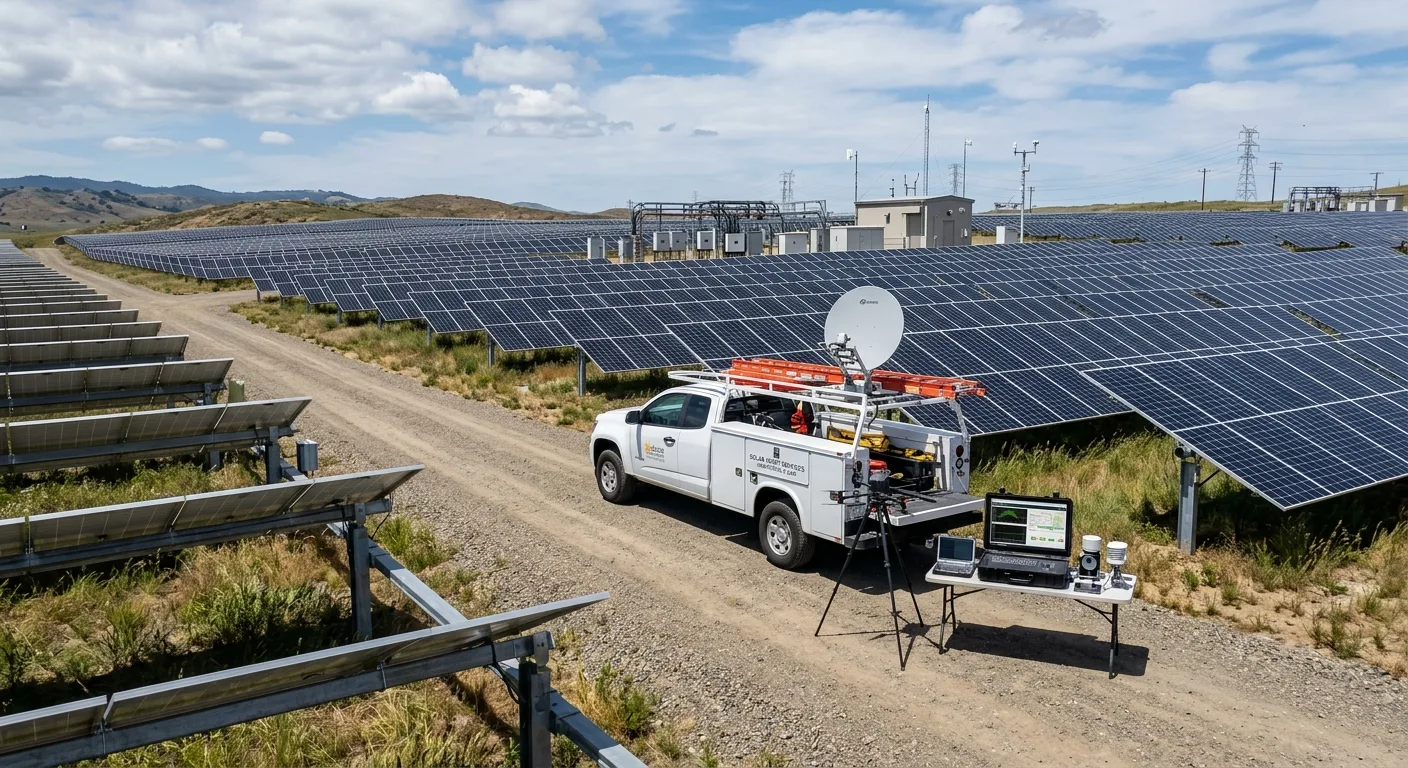
Impact of Low Temperatures and Snow on Solar Panel Efficiency
Low temperatures can paradoxically enhance solar panel efficiency, but snow cover significantly impedes production. Snow accumulation blocks sunlight, rendering panels ineffective until cleared. Strategies for mitigation include optimizing panel tilt angles to encourage natural shedding and employing anti-snow coatings.
Regular monitoring and targeted snow removal are crucial for minimizing downtime. Automated systems using heated elements or robotic brushes can be deployed in high-value installations, ensuring continuous energy generation throughout the winter months. Proper maintenance extends the lifespan of the assets and optimizes energy yield.
Ice Accretion and De-icing Techniques for Wind Turbine Blades
Ice accretion on wind turbine blades is a major concern in cold climates, leading to reduced aerodynamic efficiency, increased structural stress, and potential safety hazards. This phenomenon can cause significant power losses and necessitate turbine shutdowns, impacting overall energy output.
Effective de-icing techniques include passive solutions like specialized blade coatings that prevent ice adhesion, and active systems such as heating elements embedded within the blades. Regular inspection and prompt application of these methods are vital for maintaining operational continuity and preventing costly damage.
Effective asset management is the bedrock of renewable energy resilience in Canada's demanding winter environment.
Predictive Maintenance Technologies for Cold Climate Asset Monitoring
Predictive maintenance leverages advanced technologies to anticipate equipment failures and optimize maintenance schedules, which is particularly beneficial in harsh Canadian winters. Sensors collect real-time data on temperature, vibration, and performance, allowing for early detection of potential issues before they escalate.
Thermal imaging, drone inspections, and AI-driven analytics are instrumental in identifying anomalies and predicting maintenance needs for both solar and wind assets. This proactive approach minimizes unexpected downtime, reduces repair costs, and ensures consistent energy production during critical periods.
Regulatory Compliance and Insurance Considerations for Winter Operations
Operating renewable energy assets in Canadian winters requires strict adherence to various regulatory standards and environmental guidelines. Compliance ensures safe operation and avoids penalties, encompassing aspects like ice throw safety zones for wind farms and proper waste disposal from de-icing agents.
Adequate insurance coverage is paramount for protecting against winter-related damages, such as structural failures due to ice loads or reduced revenue from prolonged downtime. Asset owners must review policies to ensure comprehensive protection against the unique risks posed by Canada's challenging climate conditions.